




The Meditative Power of a Beach Cleanup
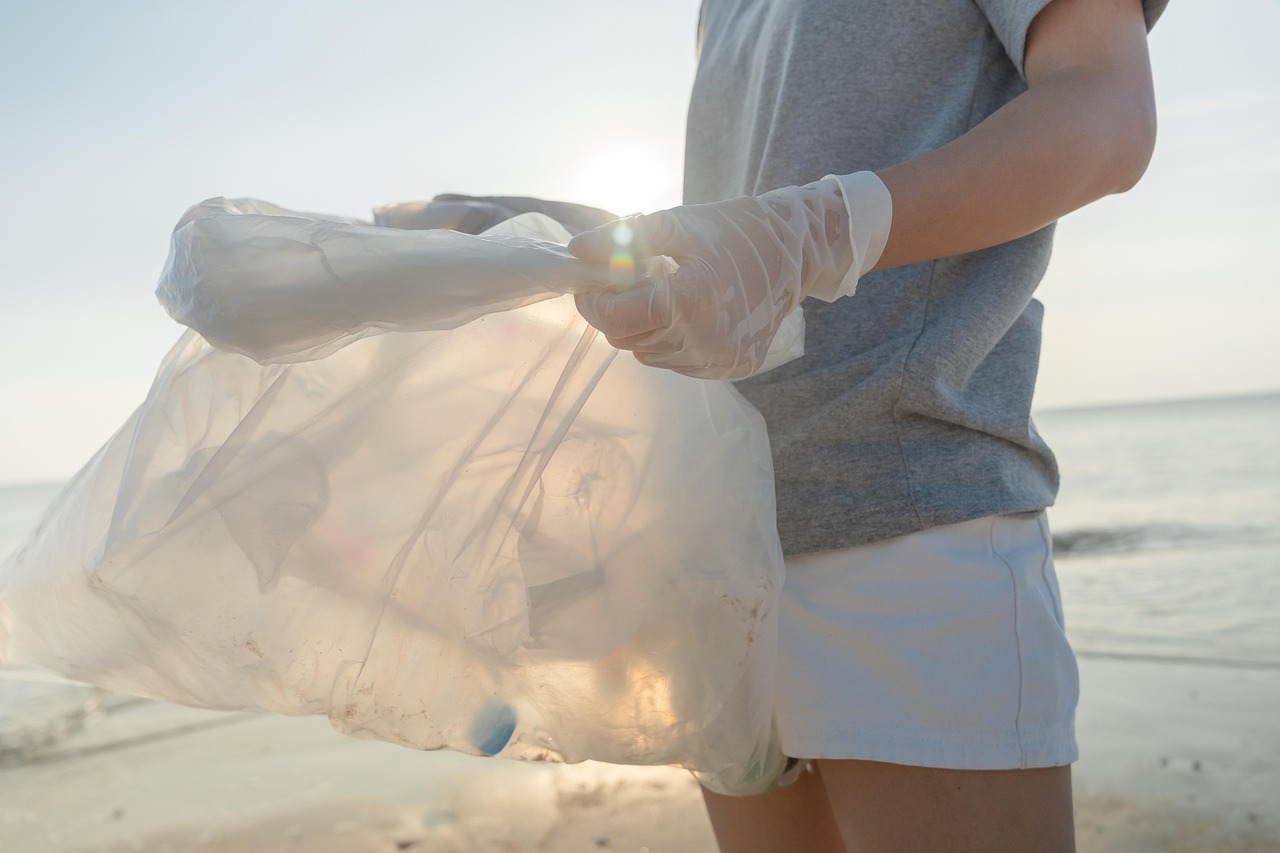
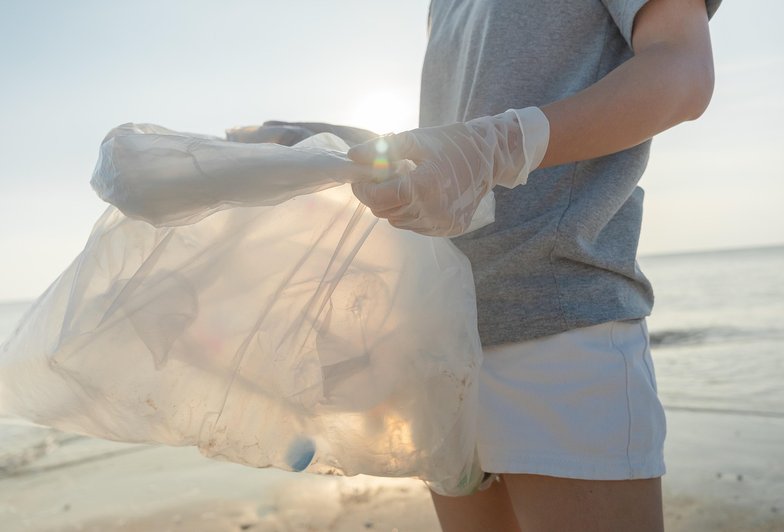
I used to think of a beach walk as a purely passive activity. It was a time to stroll, to think, to zone out. But in recent years, my walks have taken on a new dimension. I now carry a pair of gloves and a sturdy bag. I have become a beach cleaner. It started as a small gesture—picking up a stray bottle or a tangled piece of fishing line—but it has evolved into a full-fledged practice. It has become a form of moving meditation.
The act of cleaning a beach is, at its core, an act of attention. The shore is a treasure trove of debris. There are the obvious offenders: plastic bottles, straws, cigarette butts. But there is also the more insidious trash: the tiny, colorful shards of plastic called nurdles, the fragments of styrofoam that break down into a million pieces, the microplastics that are nearly impossible to see. To clean a beach is to train your eye to see the unseen. It is to move slowly, deliberately, scanning the sand for the unnatural colors and shapes that don't belong.
Mindfulness in Action
This scanning is a form of mindfulness. It forces you to be present. You cannot clean a beach while your mind is elsewhere. You must focus on the task at hand. The repetitive motion of bending, picking, and bagging is soothing. It is a rhythm that calms the mind and quiets the anxieties of the day. The sound of the waves becomes a soundtrack to your work. The feel of the sun on your back becomes a warm blanket. The smell of the salt air becomes a source of energy.
There is also a profound sense of satisfaction that comes from this work. It is not a grand, sweeping gesture. It is a small, incremental act. But over time, those small acts add up. A single bag of trash removed from the beach is a victory. A single turtle or seabird saved from entanglement is a triumph. This sense of accomplishment is a powerful antidote to the feelings of helplessness that often accompany environmental news. It is a reminder that we are not powerless. We can all do something.
Connecting with the Coast
When you clean a beach, you develop a deeper relationship with it. You notice the tiny ecosystems you might have otherwise overlooked. You see the crabs scuttling in the tide pools. You watch the sandpipers darting along the water's edge. You notice the way the sand changes with the tide, the way the dunes shift with the wind. You become a steward of the land, not just a visitor.
This practice has changed my relationship with the coast. It has turned a simple walk into a meaningful ritual. It has given me a way to give back to the place that has given me so much. It has taught me that mindfulness is not just about sitting still and breathing. It is also about engaging with the world around you, with care and with intention. So the next time you head to the beach, consider bringing a bag. You might be surprised by what you find—not just the trash, but a new sense of purpose and peace.







Turning a walk on the sand into a mindful practice of care for the ocean and for yourself.
Learning a few simple knots is a practical skill, but it's also a lesson in patience and presence.
The ocean is always speaking; learning its language is a practice in deep listening.
What happens when you leave the book, the podcast, and the phone at home and simply sit with the sea?
The clouds over the water tell a story long before the forecast does — here is how to listen.