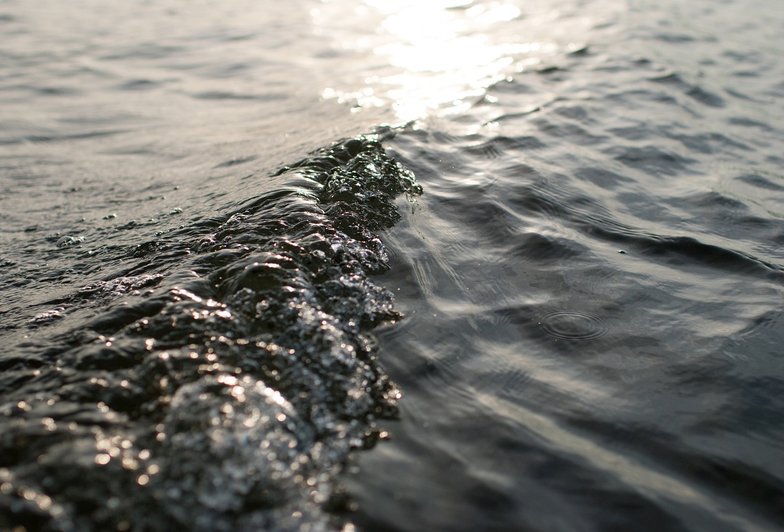






A Field Guide to Listening to the Sea

Most of us hear the ocean. We hear the crash of the waves, the roar of the surf, the hush of the tide. But how many of us actually listen to it? To listen is to pay attention, to hear the nuances and the subtleties. To listen to the sea is to open yourself to a conversation that has been going on for billions of years. It is a practice in deep listening, and it is one of the most rewarding forms of mindfulness I have ever encountered.
The first step is to find a quiet spot. It doesn't have to be a secluded cove accessible only by a cliffside hike. It can be a city beach in the off-season, a rocky jetty, or a quiet stretch of sand at dawn. The key is to minimize the human-made noise. Put away your phone. Turn off the notifications. Let the sound of the sea be the only sound you are attending to. Then, close your eyes. And really listen.
The Layers of Sound
At first, you might hear only a single, monolithic sound: the roar of the waves. But as you listen, the sound will begin to separate into layers. There is the deep, resonant rumble of the ocean itself, a sound that feels more like a vibration in your chest than a noise in your ears. There is the crash of the waves breaking on the shore, a sound that is both powerful and rhythmic. There is the hiss of the foam retreating back into the sea, a sound like a sigh. There is the tinkling of the small pebbles rolling in the surf. There is the whisper of the wind through the sea grass.
Each of these sounds has its own rhythm, its own tempo. The waves are not a metronome. They are a syncopated rhythm, a jazz riff. Some waves crash and retreat quickly. Others roll in with a slow, deliberate majesty. Learning to notice these variations is the essence of the practice. It is not about judging the sounds. It is simply about noticing them. It is about being present with the sound, moment by moment.
The Silence Between
But perhaps the most profound part of listening to the sea is noticing the silence between the waves. In the pause between the crash of one wave and the retreat of the next, there is a space. It is a small, fleeting silence, but it is there. It is a reminder that even in the midst of noise, there is quiet. It is a reminder that the ocean is not just a source of sound, but a source of stillness.
This practice of listening can be done anywhere. You can listen to the sea of traffic outside your window. You can listen to the sea of voices in a crowded room. You can listen to the sea of your own thoughts. The principle is the same. Listen for the layers. Listen for the silence. Listen without judgment. Listen with curiosity. It is a practice that can transform the way you experience the world. It is a practice that can help you find a deep, abiding peace, even in the midst of a storm.







The ocean is always speaking; learning its language is a practice in deep listening.
What happens when you leave the book, the podcast, and the phone at home and simply sit with the sea?
The clouds over the water tell a story long before the forecast does — here is how to listen.
The smallest ecosystems on the coast reward the slowest, most patient attention you can give them.
A simple ritual at the water's edge can do more for a busy mind than an entire weekend of rest.