


The Art of Tying Knots
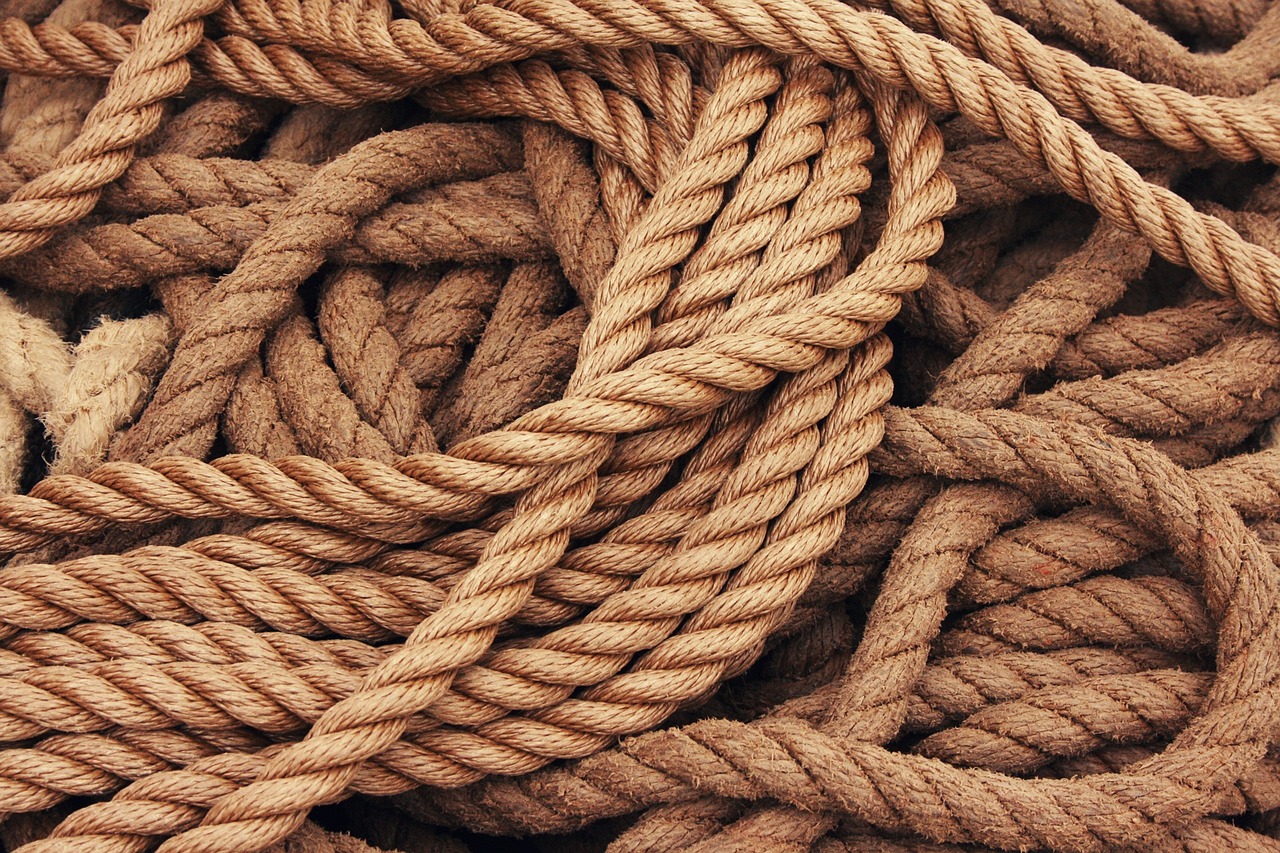
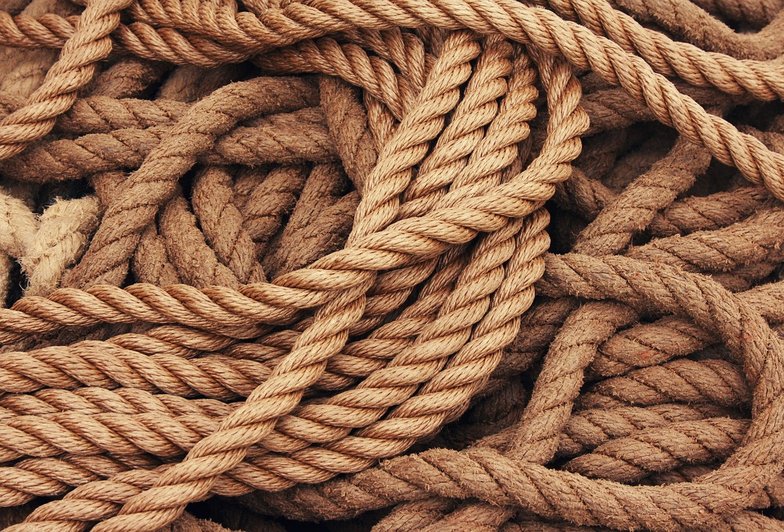
I learned to tie knots on a dock, under the watchful eye of an old fisherman. He didn't teach me with diagrams or instruction manuals. He taught me with a length of worn, salty rope and a simple command: 'Watch.' I watched his weathered hands loop and twist the rope with a speed and grace that seemed almost magical. He tied a bowline, a cleat hitch, a clove hitch. Then he handed me the rope and said, 'Now you.' My first attempts were clumsy and slow. My knots were loose, misshapen. But he just smiled and said, 'Again.'
That was twenty years ago, and I still tie knots. I tie them when I'm sailing. I tie them when I'm securing a tarp. I tie them when I'm just sitting on the porch, a length of rope in my hands, practicing. Over the years, I have come to realize that tying knots is not just a practical skill. It is a practice. It is a form of meditation. It is a way of being in the world.
The Lesson of the Loop
A knot is a puzzle. It is a problem that can be solved in multiple ways. The bowline, for example, creates a loop that won't slip, no matter how much you pull on it. It is a knot that is both strong and easy to untie. To tie it, you must remember the story: the rabbit comes out of the hole, goes around the tree, and goes back down the hole. It is a simple story, but it requires focus. You cannot tie a bowline while your mind is wandering. You must be present. You must feel the rope in your hands. You must see the loop. You must trust the process.
This presence is the meditative quality of knot tying. In a world of constant distraction, it is a practice that demands your full attention. The feel of the rope—the stiffness of the fibers, the slight friction as you pull it tight—is grounding. The repetition of the motion is soothing. The sense of accomplishment when the knot is complete is satisfying. It is a small, self-contained act that brings you fully into the moment.
A Connection to the Past
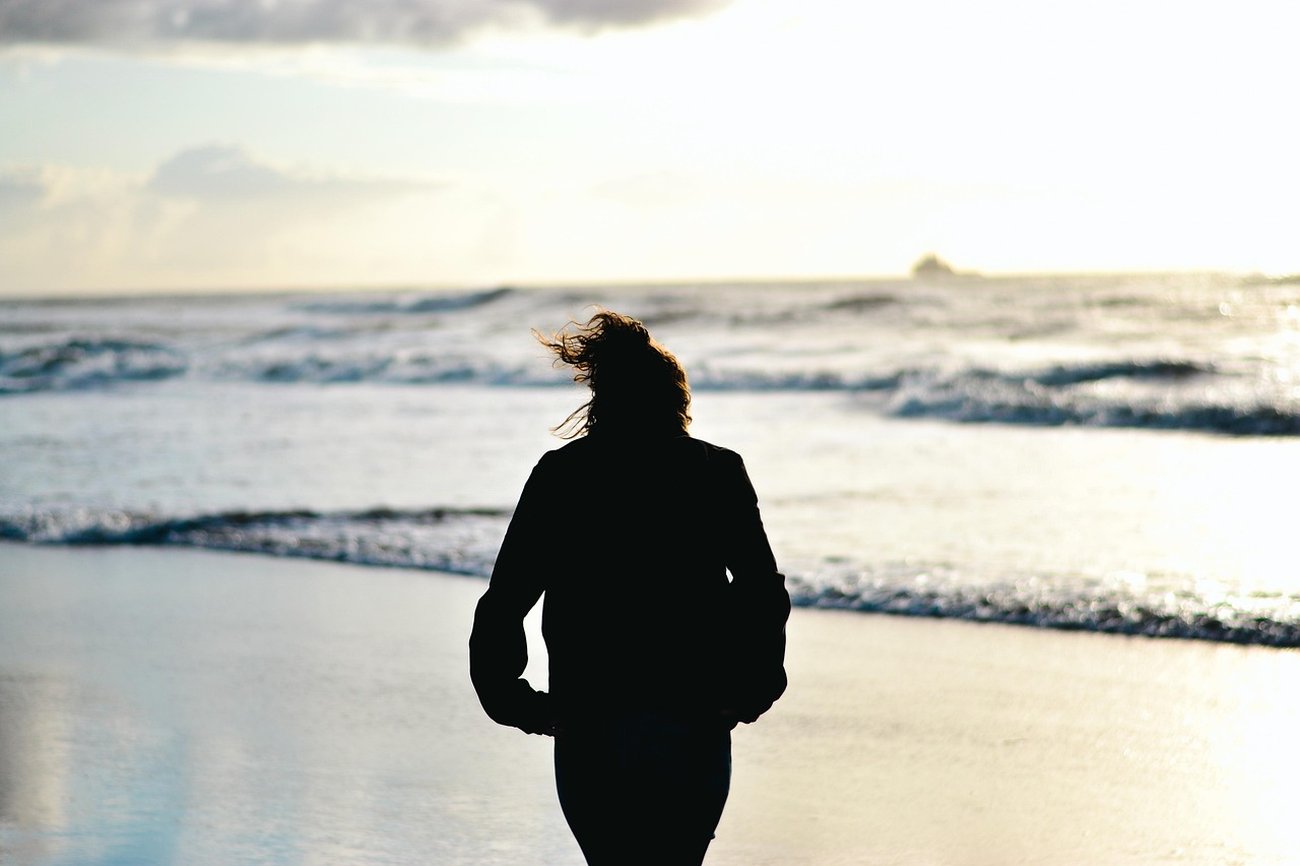
When I tie a knot, I feel connected to something larger than myself. I feel connected to the generations of sailors and fishermen who have tied the same knots before me. I feel connected to the sea. A knot is a conversation with the ocean. It is a way of asking the sea to hold your boat, to hold your line, to hold your trust. It is a relationship built on skill, on respect, and on patience.
You don't need to live on the coast to practice this. You can buy a length of rope and learn a few knots from a book or a video. Start with the figure-eight knot, the simplest of all. Then try the square knot, the bowline, the clove hitch. Practice them until your hands remember them. You might find that this simple, tactile practice brings a sense of calm and focus to your day. You might find that in the process of learning to tie a knot, you are also learning to tie yourself to the present moment.




Learning a few simple knots is a practical skill, but it's also a lesson in patience and presence.
The ocean is always speaking; learning its language is a practice in deep listening.
What happens when you leave the book, the podcast, and the phone at home and simply sit with the sea?
The clouds over the water tell a story long before the forecast does — here is how to listen.
The smallest ecosystems on the coast reward the slowest, most patient attention you can give them.