



Finding Solace in the Off-Season
There is a moment, usually in late October, when the character of a coastal town changes. The lines at the ice cream stands vanish. The souvenir shops, once bursting with brightly colored t-shirts and plastic seashells, shutter their windows. The boardwalk, which just weeks ago was a river of sunburned tourists and crying children, is suddenly empty. For many, this is the end of the season. For those of us who live here year-round, it is the beginning of the best part.
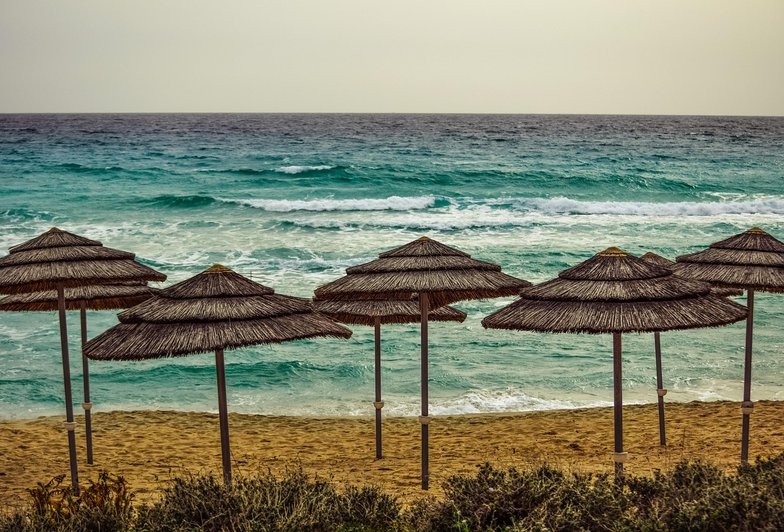
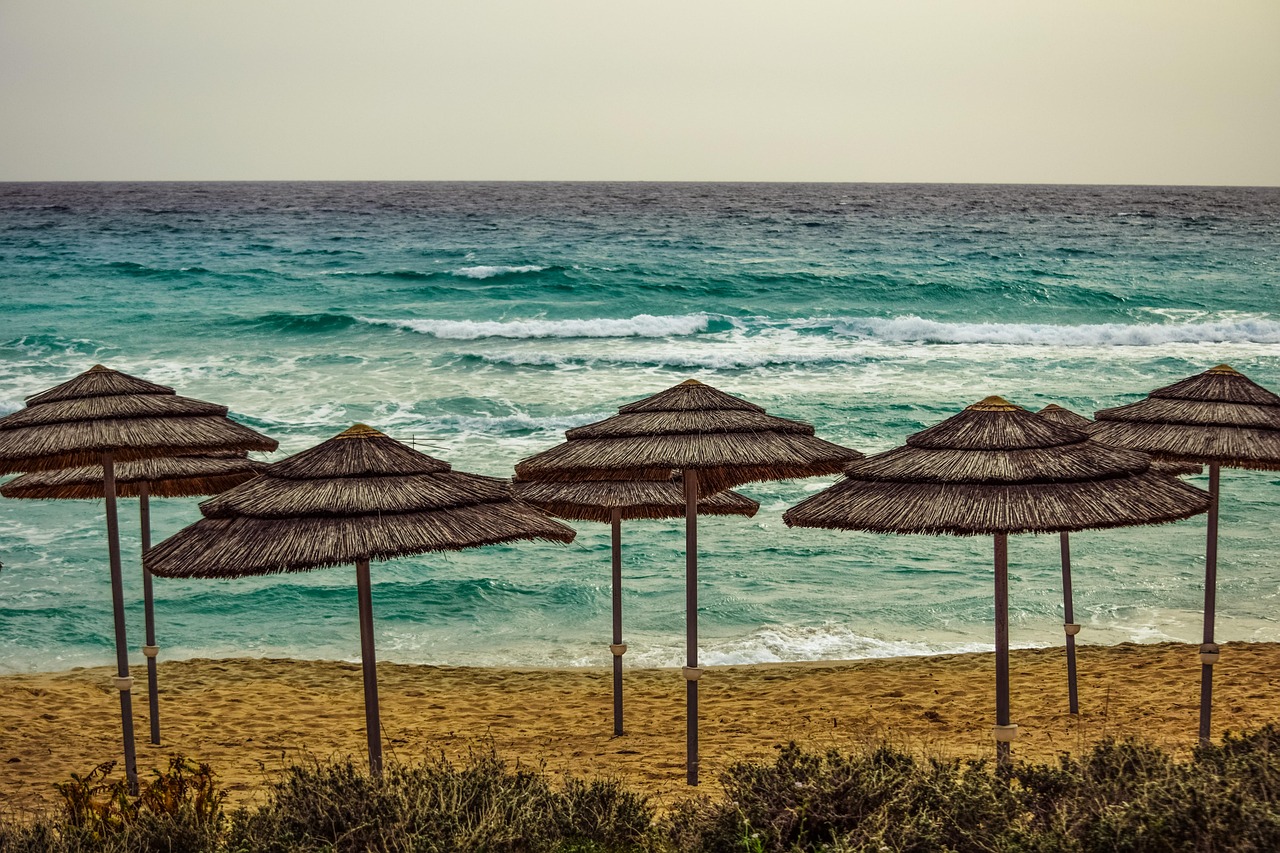
The off-season is not a time of dormancy. It is a time of reclamation. The beach, which felt like a crowded public park in July, becomes a vast, private wilderness. The ocean, no longer dotted with the colorful umbrellas of vacationers, feels wilder and more powerful. The air, stripped of the humidity of summer, is crisp and clean. It is a time when you can walk for an hour and see no one but a few fellow locals and the occasional brave soul in a wetsuit.
The Gift of Solitude
This solitude is a gift. In the summer, the coast is a place of performance. It is a place to see and be seen. In the winter, it is a place of reflection. The grey skies and choppy waters have a beauty that is more subtle, more melancholy, and perhaps more profound than the bright, postcard-perfect days of July. It is a beauty that invites introspection. The empty beach becomes a mirror for your own thoughts. The roar of the wind and the crash of the waves drown out the noise of the everyday, leaving you alone with yourself.
This is not to say that the off-season is without its challenges. The storms can be fierce. The power can go out. The dampness seeps into everything. But these challenges are part of the rhythm of life here. They force you to slow down, to be more resourceful, to appreciate the simple comforts of a warm fire and a good book. They connect you to the raw, elemental power of nature in a way that the sanitized, air-conditioned days of summer never can.
A Deeper Connection
Living here in the off-season is a lesson in impermanence. It is a reminder that everything has its season. The crowds will return. The sun will shine again. But for now, there is this. There is the quiet. There is the space. There is the chance to walk along the shore and feel like you are the only person in the world. It is a time to reconnect with the coast, not as a destination, but as a home.
So if you ever have the chance to visit a coastal town in the dead of winter, don't hesitate. Put on a warm coat and a sturdy pair of boots. Walk the empty beach. Listen to the wind. Watch the waves. You will find a different kind of magic. You will find the soul of the coast, stripped of its summer costume. And you might just find a piece of yourself you didn't know was missing.







When the tourists leave and the boardwalk quiets down, a different kind of coastal magic emerges.
Turning a walk on the sand into a mindful practice of care for the ocean and for yourself.
Learning a few simple knots is a practical skill, but it's also a lesson in patience and presence.
The ocean is always speaking; learning its language is a practice in deep listening.
What happens when you leave the book, the podcast, and the phone at home and simply sit with the sea?